"Wish You Were Here” Highlights Iranian-American Women’s Voices
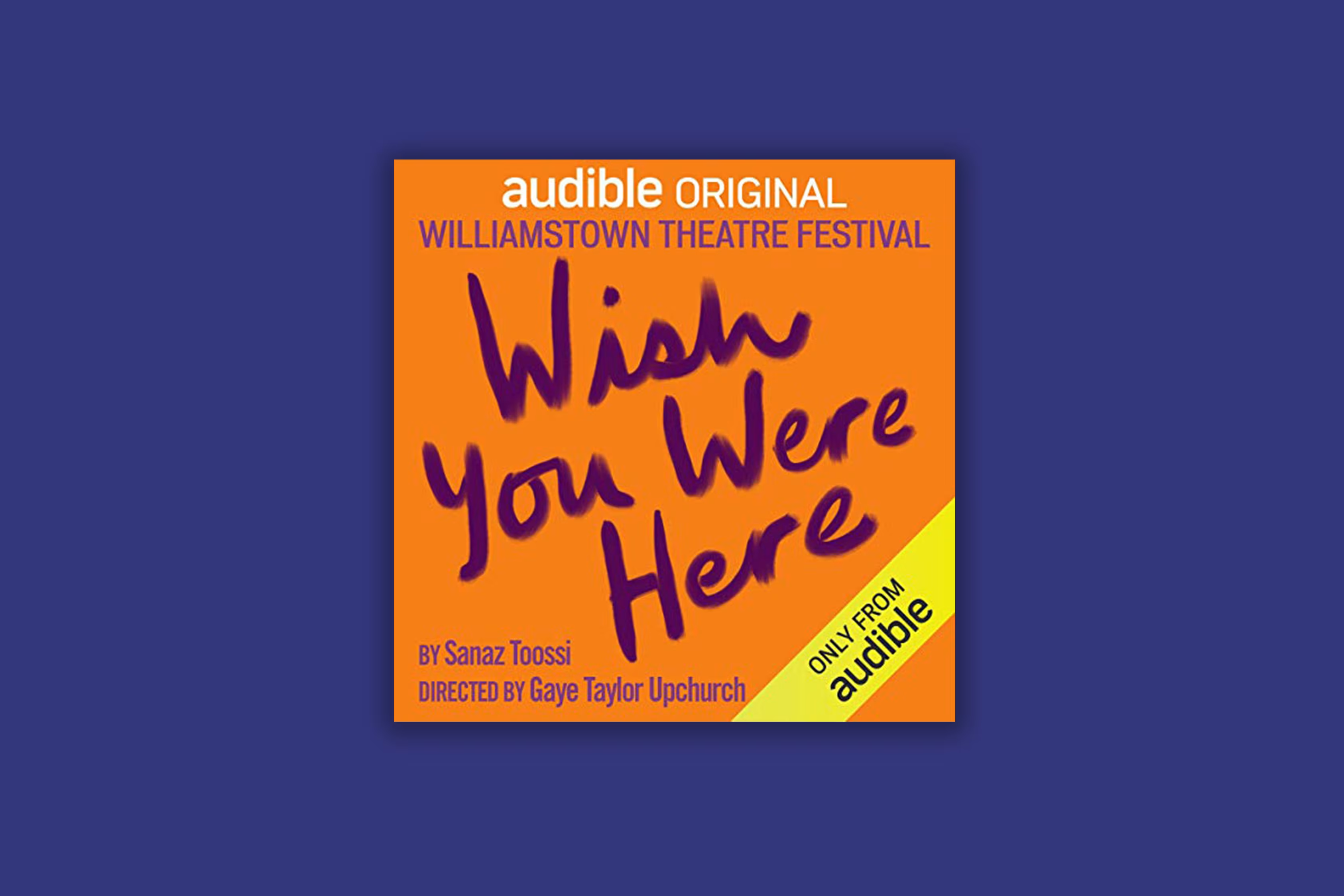
“I wrote this play as a love letter to my mom and her friends,” says Sanaz Toossi, of the Audible Original Wish You Were Here. “She has this beautiful, vibrant group of friends that I’ve come to know as I travel back and forth to Iran.”
The situation and characters for the play came to Toossi during one harrowing week in the summer of 2019, as tensions between the U.S. and Iran were coming to a boil. “That was a scary week for all Iranians,” says Toossi, an Iranian-American from California. “My mother is there, and I have a lot of other family there.”
Wish You Were Here opens in 1978, on the eve of the Iranian Revolution. Protests are breaking out all across Iran, encroaching on a suburb where the central character Nazanin and her tight-knit circle of friends plan a wedding, trading dirty jokes and struggling to uphold a sense of normalcy. But as the revolution escalates, each woman is forced either to join the wave of emigration or face an equally uncertain future at home.
For Toossi, the choice to set Wish You Were Here during a flashpoint in Iranian history was not to directly address war or politics, but rather to spotlight the real, complicated, resilient and funny human beings that often disappear from such stories. “It’s important for me to hear women laughing on stage,” she explains, “that it’s not about the oppression…it’s about their relationships.”
Wish You Were Here is extraordinary in another way: its cast is composed entirely of Iranian-American women. Even though rehearsals and recording were virtual, says Gaye Taylor Upchurch, who directed the production, “It was the most beautiful meet and greet I’ve ever been a part of in a theater. As the women introduced themselves, they said to each other, ‘This is the first time I’ve ever been in a room with all Iranian-American women.’” Marjan Neshat, who plays Nazanin, noticed that the cast’s shared heritage and culture created an authentic intimacy in their performances. “I felt there was a collective understanding,” she says. “I think it’s true that every woman in this play, including the writer, had a mother who left their mother for their daughter to have a better life.” Nazanin Noor, who plays Rana, agrees: “I carry a lot of what my mom went through in [my heart].”
The cast of "Wish You Were Here" discuss why this play holds so much meaning for them.
Wish You Were Here was produced in collaboration with the Williamstown Theatre Festival. Since the pandemic forced the festival to shutter its 2020 season, Audible and the Williamstown Theatre Festival have been collaborating to produce audio versions of the planned stage plays. Roxanna Hope Rana, who plays Salme in the production, sees this as a boon for creatives and audiences alike. “I find it so moving that these companies found a way to keep telling stories; not only that, but the scope of the storytelling is going to reach so many people. That’s very exciting.”
Productions like Toossi’s play are integral to Audible’s mission to amplify voices that have traditionally seen less representation and to shine a light on experiences that connect us. Toossi hopes that listeners will come away with more empathy for what Iranians and immigrants from Iran have gone through—and are going through still. “People who have emigrated have left behind friendships, languages and cultures,” she says. “Things of tremendous significance. I just hope and pray that people will think: ‘We have to do better.’”
Related Posts
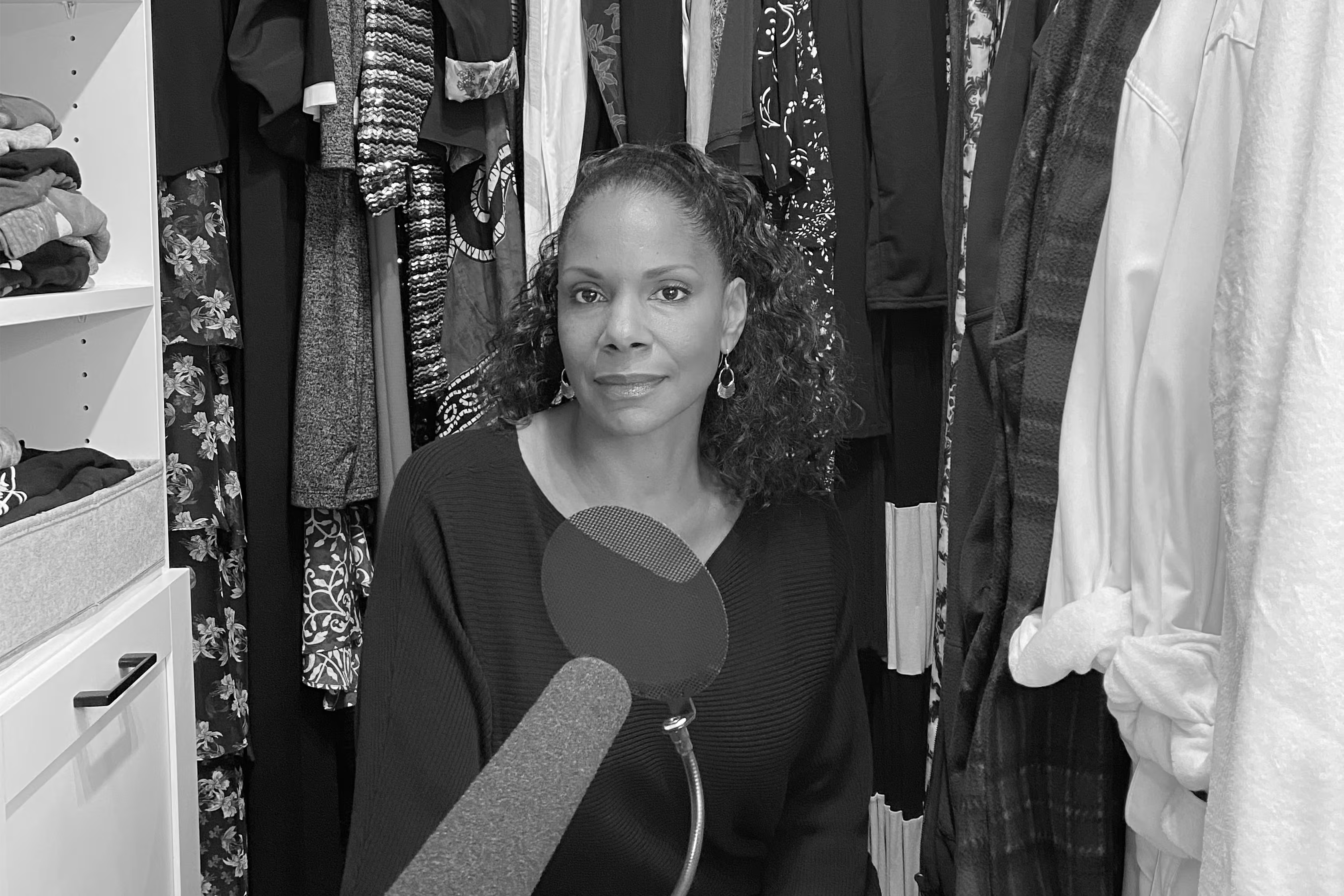 Highlights
January 19th, 2021
Bringing One of Summer’s Premiere Theatres to Play in Your Ears
When the Williamstown Theatre Festival shuttered its doors for the summer due to the pandemic, they called Kate Navin, Audible Theatre’s Artistic Producer, to collaborate on an all-audio version of its season instead. The New York Times shares the story.
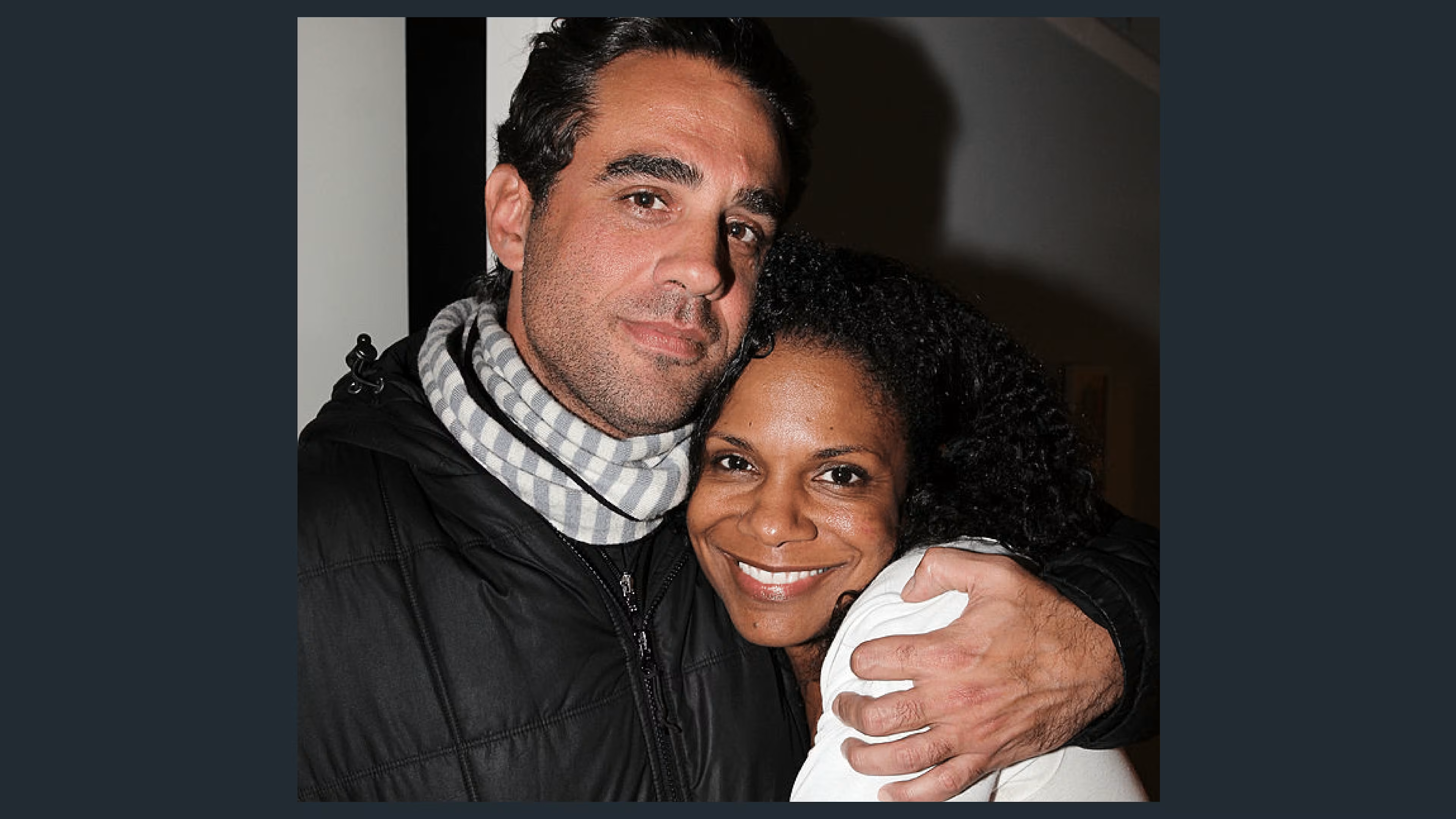 Press Releases
In an unprecedented collaboration, Williamstown Theatre Festival’s summer season will be produced by Audible and made available to listeners worldwide. The season includes Bobby Cannavale, Carla Gugino, Audra McDonald, Kate Burton, and more.
 Press Releases
February 1st, 2021
Audible Theater Announces Spring 2021 Slate
Premiering exclusively on Audible on February 11, Audible Theater’s spring 2021 slate features performances from Tony Award winners Laura Benanti, Tony Shalhoub, Santino Fontana and Mary-Louise Parker.